


Safe Work Month: What Asbestos Teaches Us About Long Term Risk
On this page
- The 2026 National Safe Work Month theme, set by Safe Work Australia, is Safe work is for life.
- Asbestos was fully banned in Australia from 31 December 2003, but an estimated one in three Australian homes still contains it, along with many commercial and public buildings built before 1990.
- Mesothelioma has a latency period of 20 to 60 years. Disease diagnosed today usually traces back to exposure that happened decades ago.
- From 1 December 2026, workplace exposure standards become workplace exposure limits. For respirable crystalline silica, the limit stays at 0.05 mg/m³ as an eight hour time weighted average.
What does Safe work is for life mean?
October is National Safe Work Month. This year, Safe Work Australia has set the theme as Safe work is for life.
The message is simple. Work health and safety is not only about preventing harm on the day. It is about protecting a worker’s health for the rest of their life.
The campaign runs across four weeks. Week 1 looks at why WHS matters. Week 2 looks at what it protects. Week 3 looks at the long term impacts of workplace harm. Week 4 is about action across every workplace.
For anyone working with hazardous materials, week 3 is the one that matters most.
Why asbestos is the clearest example
Asbestos does not cause harm on the day it is disturbed. It causes harm decades later.
Mesothelioma, the cancer most closely linked to asbestos, has a latency period of 20 to 60 years. A worker exposed while cutting fibro sheeting today may not see symptoms until the 2050s or later.
That's why the numbers haven't dropped, even more than 20 years after the national ban.
In 2024, 684 Australians were diagnosed with mesothelioma. Queensland recorded 685 cases between 2021 and 2024, the second highest of any state. Around 4,000 Australians die each year from disease linked to past asbestos exposure.
The people being diagnosed now were exposed decades ago. The decisions made on site this year will shape the numbers decades from now.
The asbestos is still in the buildings
Asbestos was banned in Australia from 31 December 2003. The ban stopped new use. It did not remove what was already there.
An estimated one in three Australian homes still contains asbestos. It is also common in commercial, industrial and public buildings constructed before 1990. More than six million tonnes of asbestos containing material is estimated to remain in the built environment.
As that material ages, it deteriorates. As those buildings are renovated, refurbished or demolished, it gets disturbed.
For developers, demolition contractors and facility managers, that makes asbestos a current risk.
It does not stop at the building
Legacy asbestos does not always sit neatly in walls and roofs.
On development and demolition sites, asbestos fragments can turn up in fill, in stockpiles and in soil left behind by earlier works. Contaminated ground can also carry other legacy hazards, from hydrocarbons to heavy metals.
This is where hazardous materials and environmental work overlap. A building can be cleared and the ground beneath it can still hold risk. Understanding both before work starts protects the workers on site and the people who use that land afterwards.
Silica follows the same pattern
Respirable crystalline silica is the other long latency hazard on most construction sites.
Cutting, grinding and drilling concrete, brick, tile and stone releases fine dust into the worker’s breathing zone. Silicosis and other silica disease can take years to develop, and the damage is irreversible.
From 1 December 2026, workplace exposure standards become workplace exposure limits. For silica, the value stays at 0.05 mg/m³ as an eight hour time weighted average. The duty to eliminate or minimise exposure does not change. Read our breakdown of the 1 December changes.
What safe work for life looks like on site
The principles are not new. The theme is a reminder to apply them before the work starts, not after.
- Know what is there. For buildings constructed before 1990, assume asbestos may be present until it has been inspected. An asbestos register and management plan should be current before refurbishment or demolition begins.
- Investigate the ground. Before earthworks on a former industrial, demolition or filled site, understand what may be in the soil. A preliminary site investigation is far cheaper than an unplanned stop work.
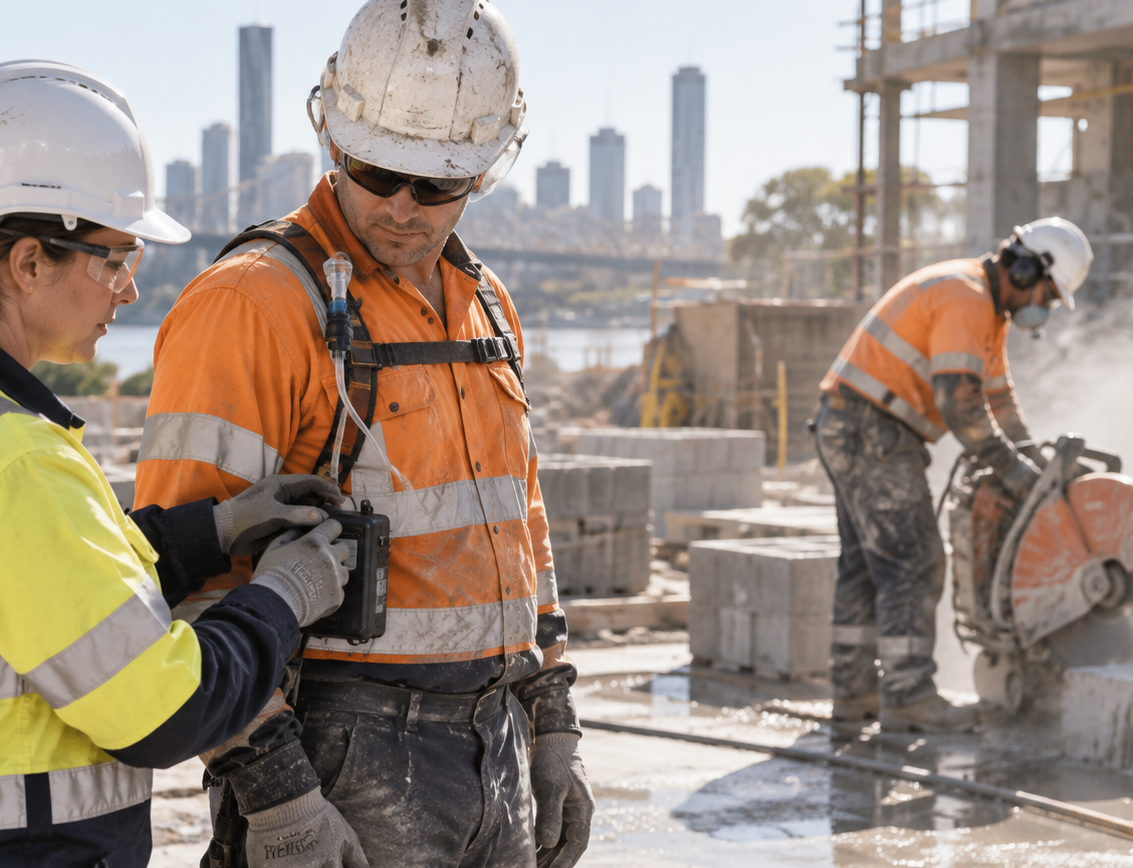
- Measure exposure. Air monitoring during asbestos removal confirms controls are working. Personal monitoring for silica shows who is being exposed, during which tasks, and whether controls are effective.
- Clear it properly. A clearance inspection after asbestos removal confirms an area is safe to reoccupy. It is the final check before people move back in.
Where BBN fits
BBN works with developers, contractors, mining operators and government across the full life of a site.
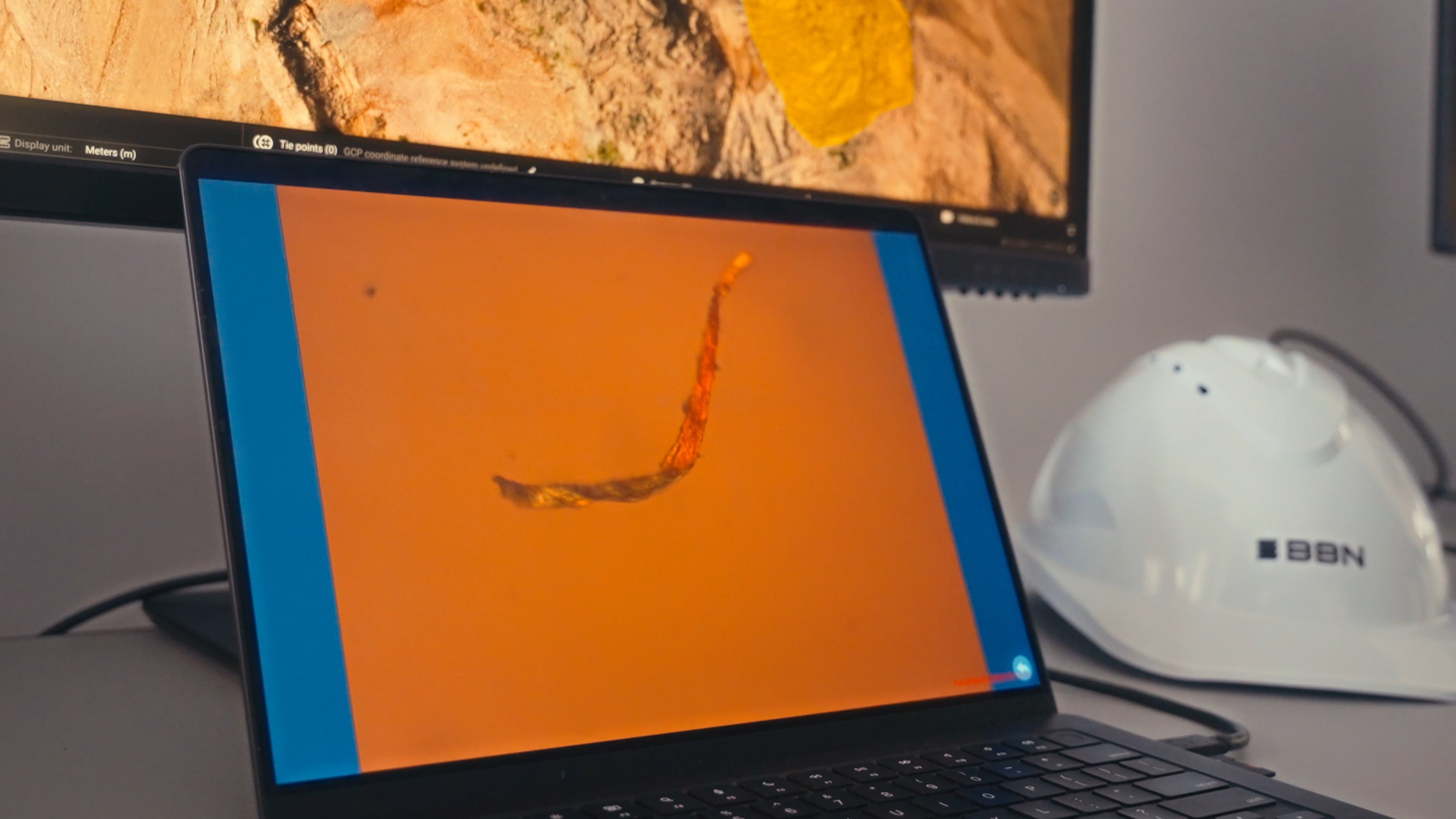
Our licensed asbestos assessors carry out inspections, registers, air monitoring and clearances. Our environmental team handles contaminated land investigations and waste classification. Our occupational hygiene team runs silica and workplace exposure monitoring.
The goal is the same across all three. Give clients clear information before work starts, so the people on site go home healthy today and stay healthy for life.
To talk about an upcoming project, call 0410 170 853 or email info@bbnconsulting.com.
Frequently asked questions
What is the theme of National Safe Work Month 2026?
The 2026 theme is Safe work is for life. Safe Work Australia uses it to highlight that work health and safety is about more than preventing harm in the moment. It is about protecting workers’ lives, health and future, including the long term impact workplace harm can have on workers, families and communities.
Why are people still being diagnosed with asbestos disease if asbestos is banned?
Mesothelioma has a latency period of 20 to 60 years, so cases diagnosed today usually reflect exposure from decades ago. Asbestos was fully banned in Australia from 31 December 2003, but material installed before then remains in many buildings and can still be disturbed during renovation, refurbishment or demolition.
Does my building contain asbestos?
Any building constructed or renovated before 1990 may contain asbestos and should be treated that way until inspected. An estimated one in three Australian homes still contains asbestos, and it is common in older commercial and industrial buildings. A licensed asbestos assessor can confirm what is present before any work begins.
Can asbestos be found in soil on a development site?
Yes. Asbestos fragments can be found in fill, stockpiles and soil on former demolition, industrial or filled sites. A contaminated land investigation before earthworks identifies whether asbestos or other legacy contaminants are present, so they can be managed safely and classified correctly for disposal.