
Australian mine sites concentrate some of the most demanding environmental obligations in industry: ageing infrastructure from the asbestos era, a generational wave of closures and transitions, strict rehabilitation frameworks and worker exposure regimes that demand rigorous monitoring. For operators, closure teams, EPCM firms and mining services contractors, practical environmental support — delivered fast — keeps sites compliant and projects moving.
BBN Consulting is an Australian environmental intelligence consultancy supporting the mining and resources sector across Queensland and nationally, with integrated capability across asbestos and hazardous materials, contaminated land, occupational hygiene and 3D site documentation — one team, one mobilisation, one point of accountability.
Three challenges converge on almost every Australian mining operation.
First, ageing infrastructure. Processing plants, workshops, administration buildings and accommodation camps built between the 1940s and 1980s sit squarely within the asbestos era, and WHS regulations require current asbestos registers, management plans and periodic re-surveys across all of it.
Second, closure and transition. Mines reaching end of life, assets changing hands and Queensland's progressive rehabilitation and closure plan (PRCP) framework — mandatory since November 2022 — all demand credible, costed closure planning backed by real site data.
Third, worker exposure. Dust, respirable crystalline silica, diesel particulate matter and noise carry some of the most demanding exposure monitoring obligations in Australian industry.
These challenges converge hardest at closure: every mine closure requires hazardous materials surveys of all surface infrastructure before demolition, contaminated land assessment across the disturbed footprint, and exposure monitoring for the workforce doing the decommissioning. Getting that sequence right — and documented — is the difference between a clean relinquishment and a long-tail liability.
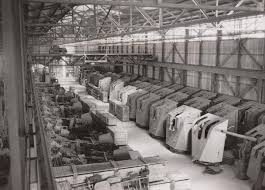
CHPPs, workshops, offices, power infrastructure and camps built through the 1940s to the 1980s commonly contain asbestos cement sheeting, insulation, gaskets, friction materials and electrical backing boards. These materials must be identified, recorded in a current asbestos register, managed under an asbestos management plan and re-surveyed periodically — and comprehensively surveyed again before any demolition or major refurbishment.
In some geological settings, asbestos minerals occur naturally in ore bodies, waste rock and cut material. NOA requires investigation, risk assessment and a management approach proportionate to the exposure risk. BBN has delivered NOA investigation and encapsulation work on Australian sites.
Acid and metalliferous drainage (AMD) — acidic, metal-laden drainage generated when sulfidic waste rock and tailings react with oxygen and water — can persist for decades after operations cease, mobilising arsenic, lead, cadmium, copper and other metals into soil, surface water and groundwater. Early geochemical characterisation of waste rock and tailings is the single most important step in managing long-term closure liability.
Fuel storage, refuelling and workshop areas commonly carry hydrocarbon impacts; processing areas can hold reagent and process-chemical residues; and tailings storage facilities require ongoing containment and seepage assessment to soil, surface water and groundwater.
Operators, maintainers and closure crews face exposures to respirable dust, respirable crystalline silica, diesel particulate matter, welding fume and noise — each with demanding monitoring obligations against Safe Work Australia and mining-specific exposure standards.
Queensland's closure regime has real teeth. Progressive rehabilitation and closure plans are mandatory, the Estimated Rehabilitation Cost framework links under-estimated liabilities directly to financial consequences, and the state has identified some 120 legacy mines requiring assessment. Nationally, researchers have mapped more than 80,000 inactive mine sites, with only around 4% classed as rehabilitated.
For operators, the practical lesson is that closure liability is a data problem before it is an engineering problem. Knowing which waste-rock domains are acid-forming, where metals have migrated, how tailings seepage behaves and exactly what hazardous materials sit in every structure scheduled for demolition allows rehabilitation strategies and costs to be defined with confidence rather than padded with contingency.
BBN structures investigation programs to feed progressive rehabilitation and closure planning directly — geochemical characterisation early and often, hazardous materials surveys ahead of demolition programs rather than during them, and validation evidence built for relinquishment from the outset.
Every ownership change transfers hazardous materials and contamination liability with the asset. Post-acquisition baseline audits — verifying asbestos registers, establishing the contaminated land position and benchmarking exposure monitoring against corporate standards — protect the incoming owner and satisfy financiers. BBN delivers these as a single integrated engagement, so the new owner receives one coherent environmental baseline instead of three disconnected reports.
Site-wide asbestos registers and management plans across operating infrastructure, with periodic re-surveys to keep registers current and defensible under WHS regulations.
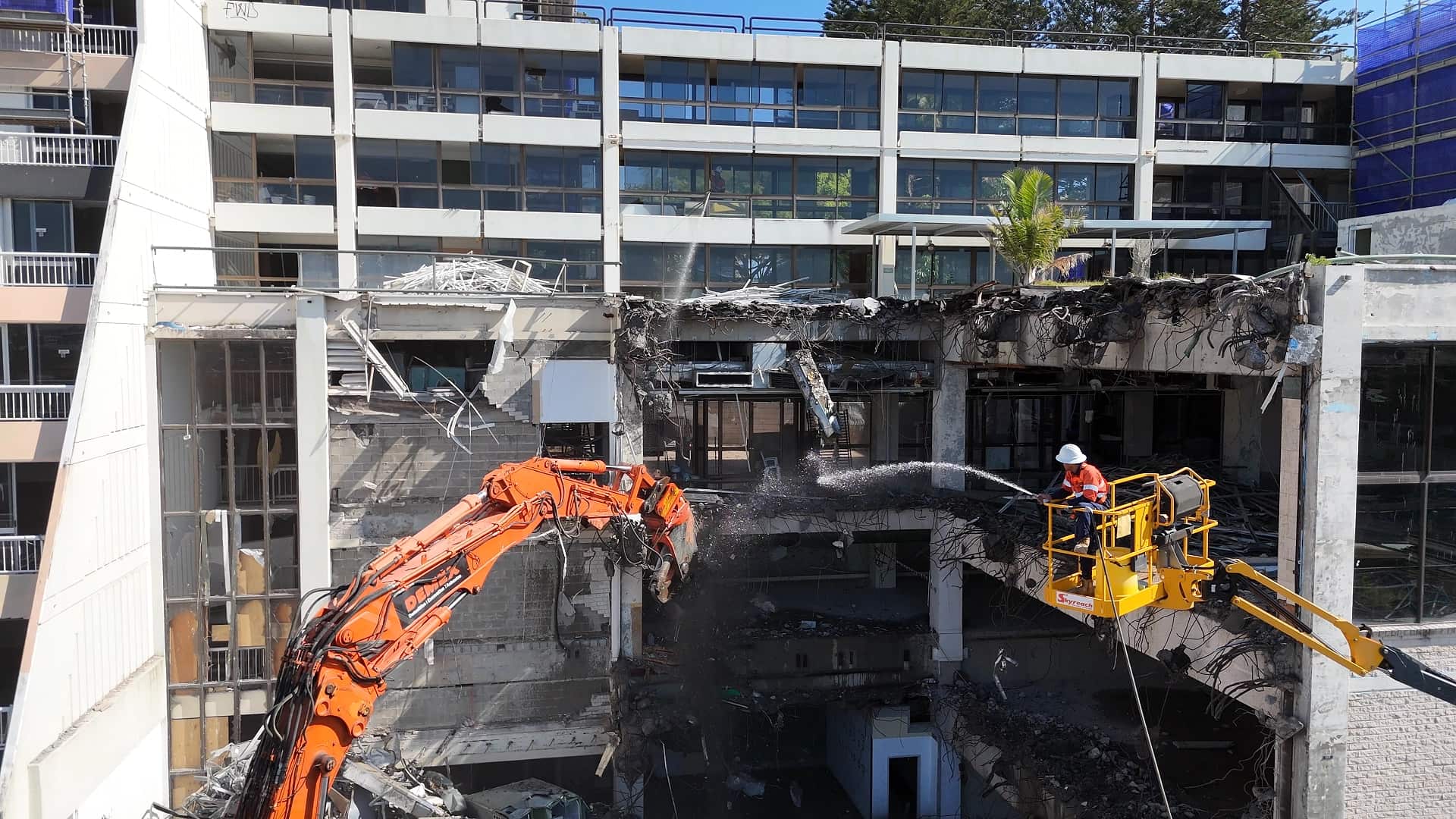
Hazardous materials surveys of CHPPs, workshops, camps and support infrastructure ahead of decommissioning, upgrade or closure — identifying asbestos, synthetic mineral fibres, lead and other regulated materials so demolition can be scoped and priced accurately.
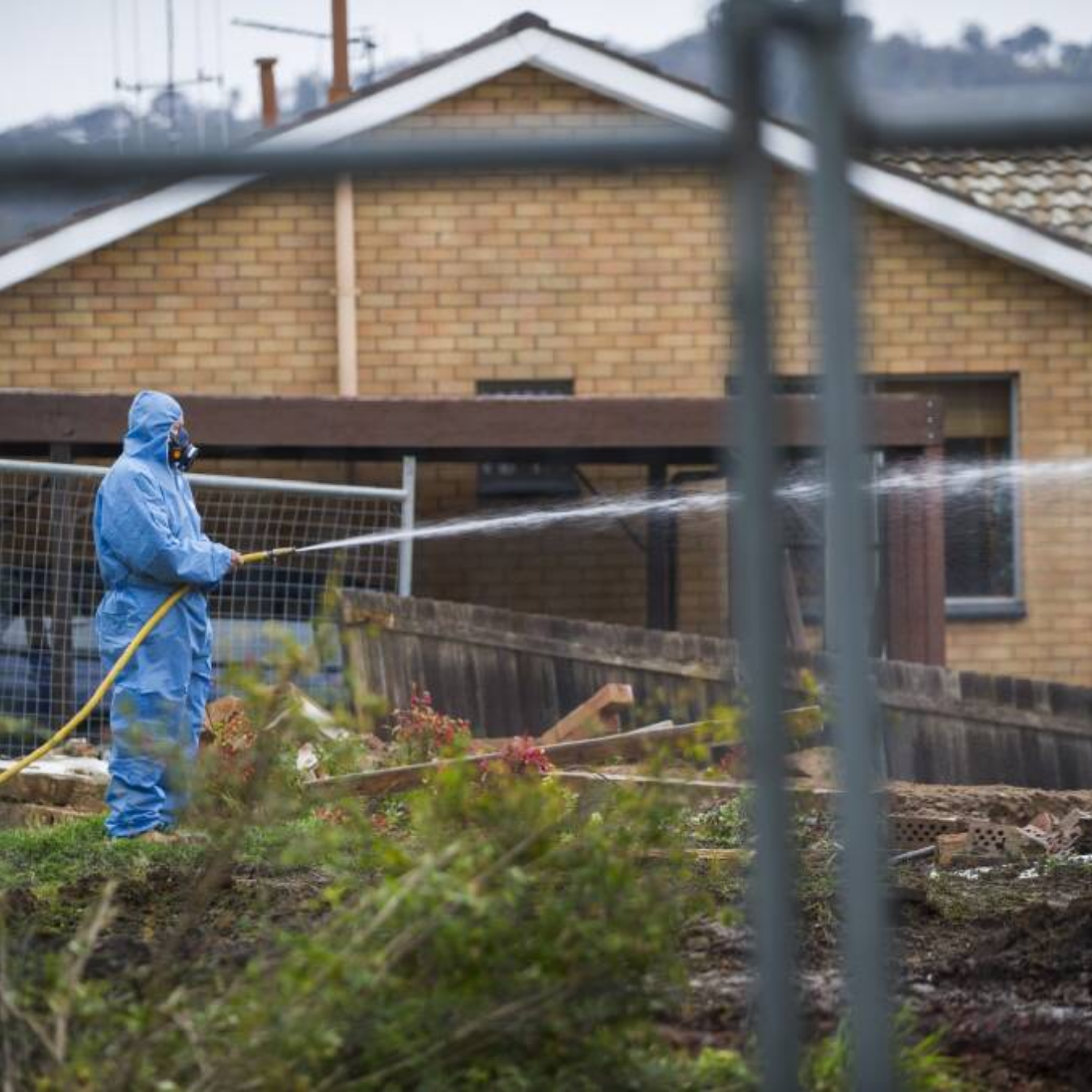
Air monitoring and clearance inspections during removal, remediation and demolition works, providing independent evidence that controls are effective and areas are safe to hand back.
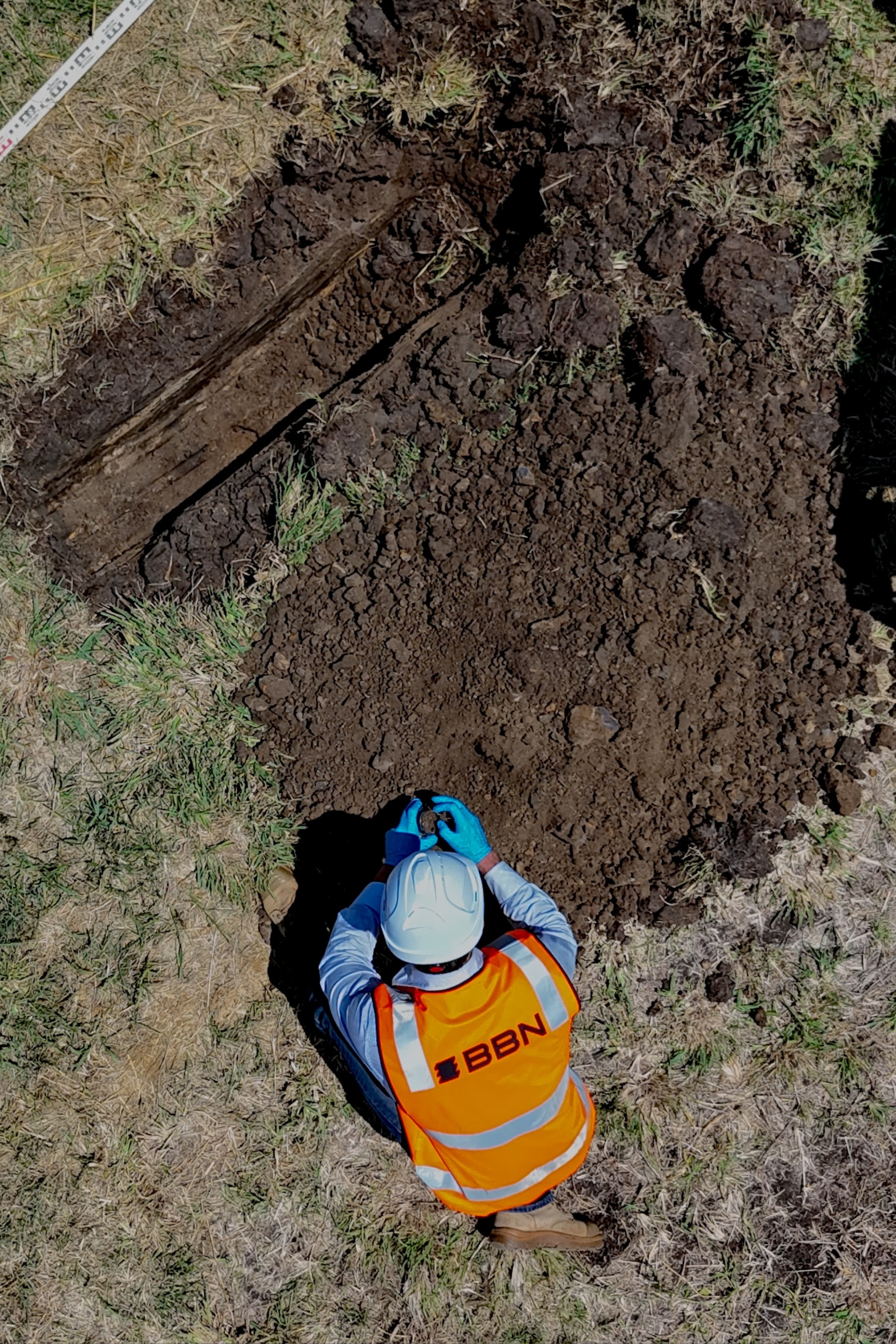
Contaminated land assessment from baseline through operations to closure — AMD and geochemical characterisation, heavy metals and hydrocarbon investigation, tailings seepage assessment, and validation evidence at relinquishment.
Waste classification of excavated and demolition material for lawful disposal or reuse, with the documentation and chain-of-custody rigour that regulatory scrutiny demands.
Environmental due diligence for acquisitions, divestments and project finance — establishing the contamination liability position before the deal settles.
Personal exposure monitoring for respirable crystalline silica, dust, diesel particulate matter, welding fume and noise through structured workplace exposure monitoring and site-wide occupational hygiene programs.
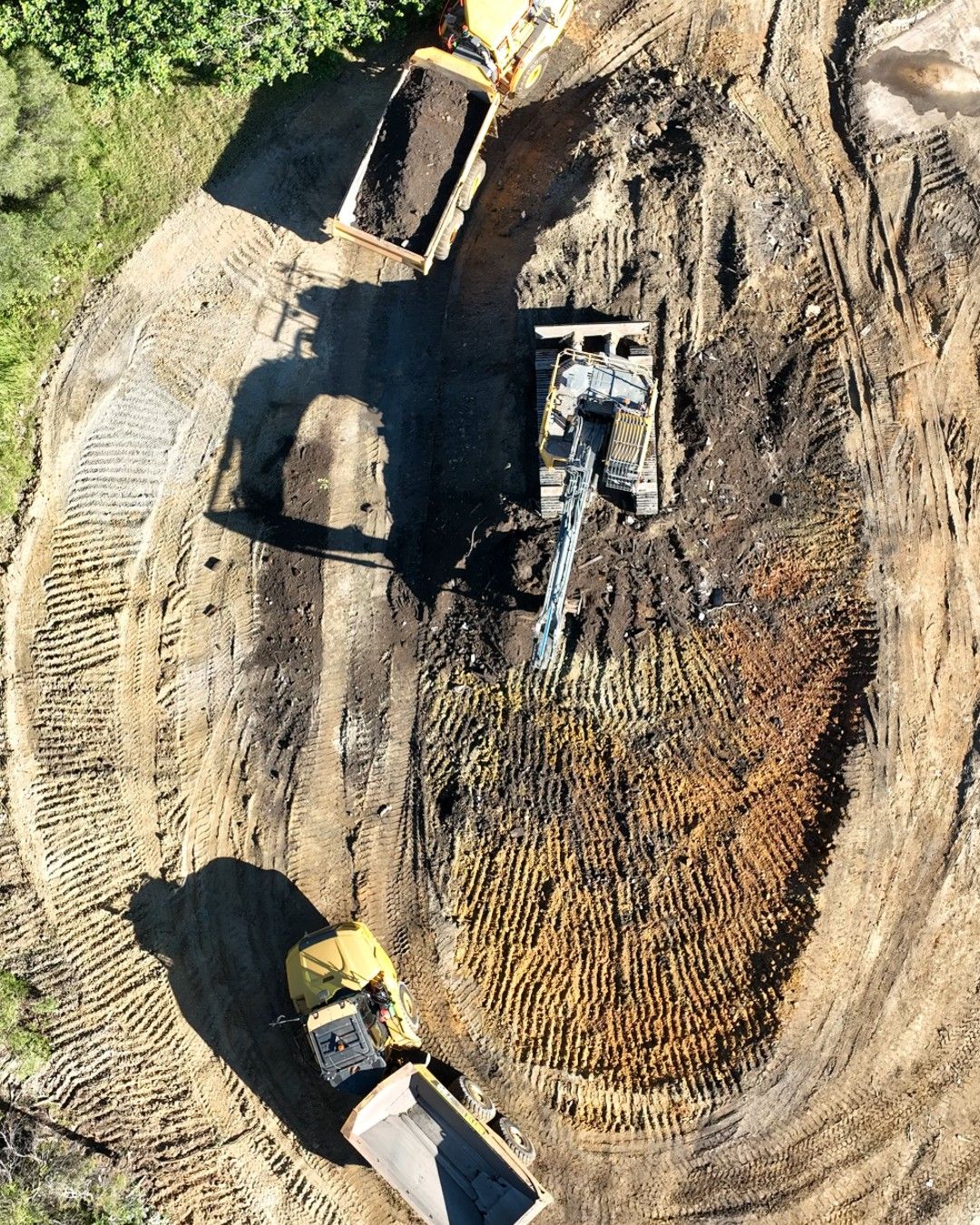
Drone photogrammetry and 3D laser scanning capture complex processing infrastructure and large disturbed footprints quickly and safely — for closure records, demolition planning and asset management. It pairs naturally with hazmat survey and contamination scopes: one mobilisation, several deliverables.
Mine operators — major, mid-tier and privately owned — closure and transition project teams, EPCM and engineering firms subcontracting specialist environmental scopes, mining services and demolition contractors, and investors and financiers requiring due diligence. We are equally comfortable inside a formal vendor-panel engagement or working directly for a privately owned operator that needs answers this week.
Mining engagements reward consultants who understand both the technical problem and the commercial clock. BBN's integrated model — asbestos, contaminated land, occupational hygiene and 3D documentation from one team — cuts coordination burden and mobilisation cost. Sampling, chain-of-custody and NATA-accredited partner laboratory analysis are coordinated end-to-end, so results land in days, not weeks, when shutdown windows and closure milestones are unforgiving. Targeted investigations mobilise within 48 hours of instruction, including at remote operations.
Pre-demolition hazardous materials surveys of all surface infrastructure — CHPPs, workshops, offices, camps — identifying asbestos, SMF, lead and other regulated materials; removal oversight and air monitoring during demolition; waste classification of demolition and excavated material; and clearance documentation feeding the closure record.
Yes. We provide the contamination and geochemical data that underpins progressive rehabilitation and closure plans, Estimated Rehabilitation Cost inputs and financial assurance — acid-forming characterisation, contamination extent, and validation evidence at relinquishment.
Yes. Targeted investigations mobilise within 48 hours of instruction, including at remote operations. Sampling logistics and NATA-accredited partner laboratory analysis are coordinated end-to-end so distance does not blow out turnaround.
Yes. We run personal exposure monitoring for respirable dust, respirable crystalline silica, diesel particulate matter, welding fume and noise against Safe Work Australia and mining-specific exposure standards, with clear reporting your site safety team can act on.
NOA in ore, waste rock or cut material requires investigation, risk assessment and a management approach proportionate to the exposure risk. BBN has delivered NOA investigation and encapsulation work on Australian sites.
Whether you are scoping a closure, planning a shutdown, integrating an acquisition or updating site asbestos registers, early environmental input reduces risk and keeps programs moving. Talk to our team or call 0410 170 853.
Protecting What Matters Most. People. Places. Projects.



.png)
.png)
.png)

.png)

.webp)