
Industry Sector
Hazard clarity before the first sod is turned. Surveys that keep programs on track.
02
Mobilise within 48 hours
NATA-accredited partner laboratories
ISO 9001, 14001 and 45001 certified
National coverage
The Challenge
Every development site has a history. Old fill, former industrial use and demolished buildings leave contamination in the ground, and older buildings hide asbestos in the walls. Found late, these become variations and stop works. Found early, they become defined scope with a defensible cost.
Key Risks
Fill and soil
Imported fill often carries heavy metals, hydrocarbons and asbestos fragments. Targeted sampling shows where contamination actually sits.
Late finds
The most common late discovery on site. Works stop until the extent is defined, removal is monitored and the area is cleared.
Disposal
Conservative classification sends material to expensive facilities. Accurate classification keeps suitable soil on site or sends it to the right place.
01
Contamination position established before settlement, so it is reflected in price and terms.
02
Preliminary and detailed site investigations through to remediation action plans.
03
Existing buildings surveyed before refurbishment, fitout or demolition.
04
Sampling matched to excavation depths for reuse, transport and disposal.
05
Supervision, monitoring and validation through to handover.
Proven On Site
In Depth
Scoping works on a site like this?
Send us the site and the scope. We will tell you which surveys you need and when to have them done.
Talk to our team →Every development starts with a site that has a history. Old fill, former industrial use, demolished buildings and fuel storage all leave traces in the ground. In older buildings, asbestos and other hazardous materials sit behind walls, under floors and in roof spaces. When these are found late, programs stall and budgets blow out.
For developers, builders, project managers, architects and town planners, early environmental consulting for property and construction turns unknowns into defined scope. You know what is in the ground and in the building before you price the job.
Construction programs run on sequence. Contamination and hazardous materials interrupt that sequence when they are not planned for.
Most problems trace back to one of three moments. A site is bought without a clear picture of its contamination liability. Excavation starts before fill and soil have been characterised. Refurbishment or demolition starts on the strength of an old or incomplete asbestos register. Each one turns a manageable cost into a variation, a stop work or a regulatory problem.
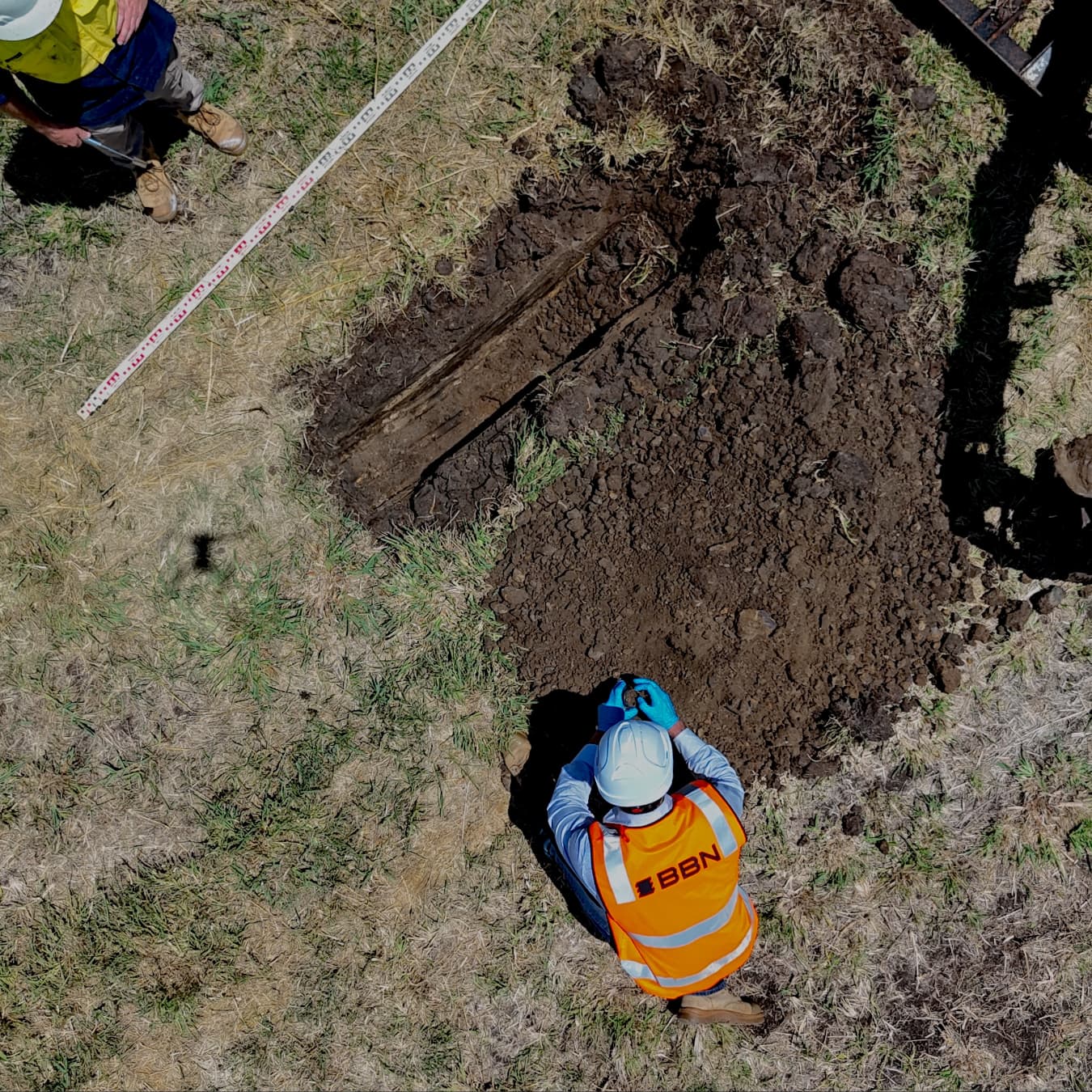
Urban and industrial sites often carry imported fill containing heavy metals, hydrocarbons, asbestos fragments and demolition waste. Contamination is rarely uniform. Targeted sampling defines where it actually sits, so remediation and disposal focus on the impacted areas rather than the whole site.
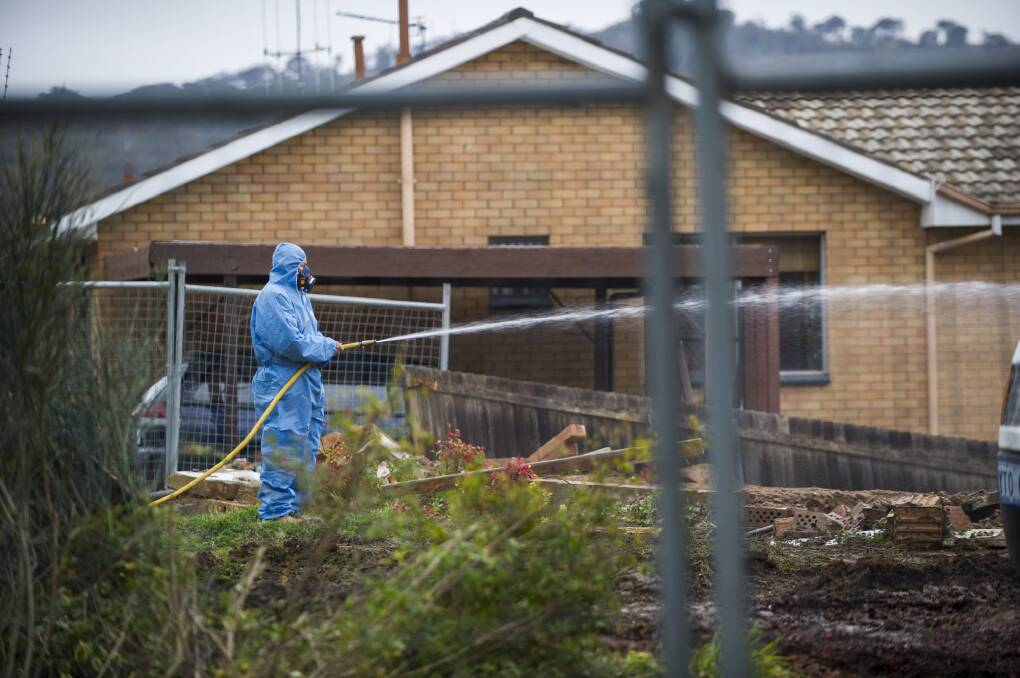
Asbestos in soil is one of the most common late discoveries on construction sites, usually found in fill around former buildings or in stockpiles. Once found, works in that area stop until the extent is defined, a management plan is in place, and removal has been monitored and cleared.
Buildings constructed before 1990 commonly contain asbestos, lead paint, synthetic mineral fibres and PCBs. Refurbishment and fitout works disturb these materials, so they need to be identified and recorded before work starts.
Disposal is often the largest environmental cost on a construction project. Soil classified more conservatively than the results support goes to a more expensive facility than it needs to. Accurate waste classification, matched to excavation depths and construction plans, keeps suitable material on site or sends it to the right facility.
Environmental due diligence before settlement establishes the contamination position of a site, so it can be reflected in price, terms and program.
Preliminary and detailed site investigations support development applications, planning conditions and contaminated land requirements.
Soil characterisation, waste classification and hazardous materials surveys define scope so contractors can price accurately and plan the sequence of works.
Unexpected finds advice, asbestos removal supervision, air monitoring, validation sampling and clearance inspections keep works moving and compliant.
Validation reports and clearance certificates provide the evidence that the site or building is suitable for its intended use.
Environmental due diligence for acquisitions, divestments and finance, establishing the contamination liability position before a deal settles.
Contaminated land assessment from preliminary and detailed site investigations through to remediation action plans and validation.
Hazardous materials surveys of existing buildings before refurbishment or demolition, and asbestos registers and management plans for occupied assets.
Soil characterisation and waste classification that supports lawful reuse, transport and disposal with a defensible audit trail.
Air monitoring and clearance inspections during removal and remediation, providing independent evidence that controls are working.
Environmental monitoring for dust and other site emissions, and respirable crystalline silica monitoring for workers cutting, drilling and grinding concrete and stone.
Property developers, builders and head contractors, project managers, architects, town planners, asset owners and investors. We work inside formal consultant panels and directly with private developers who need answers this week.
Development programs reward consultants who understand both the technical problem and the commercial clock. BBN brings contaminated land, hazardous materials and occupational hygiene under one team, which cuts coordination and mobilisation cost. Targeted investigations mobilise within 48 hours of instruction, and compliance samples are analysed through NATA-accredited partner laboratories with chain of custody managed from site to lab. Our reporting is written for the people who have to act on it: clear findings, clear scope and clear next steps.
FAQs
Cannot see your question? Call 0410 170 853 and talk to a consultant directly.
Before settlement where possible. Environmental due diligence at acquisition establishes the contamination position while it can still be reflected in price and terms. At the latest, engage before excavation or demolition so scope can be priced into contracts.
Works in the affected area stop. An assessor defines the extent of impact, an asbestos management plan and remediation approach are prepared, and removal is supervised and air monitored. Validation sampling and a clearance inspection follow before works resume.
Targeted sampling matched to excavation depths separates impacted soil from material that can be reused or sent to a lower cost facility. On a flood restoration project in Lismore, this approach helped save around $500,000 in landfill fees.
Yes. Buildings constructed before 1990 should be surveyed for asbestos, lead paint, synthetic mineral fibres and other hazardous materials before refurbishment, fitout or demolition work disturbs them.
Targeted investigations mobilise within 48 hours of instruction, with results turned around quickly through NATA-accredited partner laboratories.
Targeted investigations mobilise within 48 hours of instruction, anywhere in Australia.