
Industry Sector
Hazmat surveys, air monitoring and clearances that keep demolition programs moving.
03
Mobilise within 48 hours
NATA-accredited partner laboratories
ISO 9001, 14001 and 45001 certified
National coverage
The Challenge
Existing asbestos registers rarely cover the whole structure. When contractors price on them, unidentified asbestos becomes their risk. We survey the building and the ground beneath it before tender, then monitor, clear and classify as works progress so crews keep moving.
Key Risks
Building fabric
Render, linings, lagging and backing boards in concealed areas are regularly missed by earlier surveys.
Below the slab
Fill beneath slabs and around former structures often contains asbestos fragments, heavy metals and hydrocarbons.
Recycling
Inspection and segregation advice keeps clean concrete, brick and steel out of landfill and protects recycling targets.
01
Destructive surveys that quantify hazardous materials for tender pricing.
02
Onsite oversight of asbestos and hazardous materials removal.
03
Asbestos, lead and silica monitoring for crews and neighbouring receptors.
04
Clearance inspections issued progressively as each area is completed.
05
Characterisation of excavated and demolition material before it leaves site.
Proven On Site
In Depth
Scoping works on a site like this?
Send us the site and the scope. We will tell you which surveys you need and when to have them done.
Talk to our team →Demolition and enabling works are where hidden hazards surface. Asbestos behind linings, lead in paint systems, contaminated fill under slabs and buried waste from earlier works all come to light once the machines start. For demolition contractors, head contractors and developers, the cost of a late find is measured in stood down crews, variations and lost program.
BBN Consulting supports demolition and enabling works across Australia with hazardous materials surveys, removal supervision, air monitoring, clearance inspections, soil characterisation and waste classification. One team covers the building and the ground beneath it, from tender through to handover.
A demolition price is only as good as the hazardous materials information behind it. Existing registers are often out of date, limited to accessible areas or never intended to support demolition. When a contractor prices on that information, the risk of unidentified asbestos sits with them.
A destructive survey before demolition removes that uncertainty. It identifies and quantifies hazardous materials throughout the structure, including areas a management survey does not reach, so removal can be scoped, priced and sequenced properly.
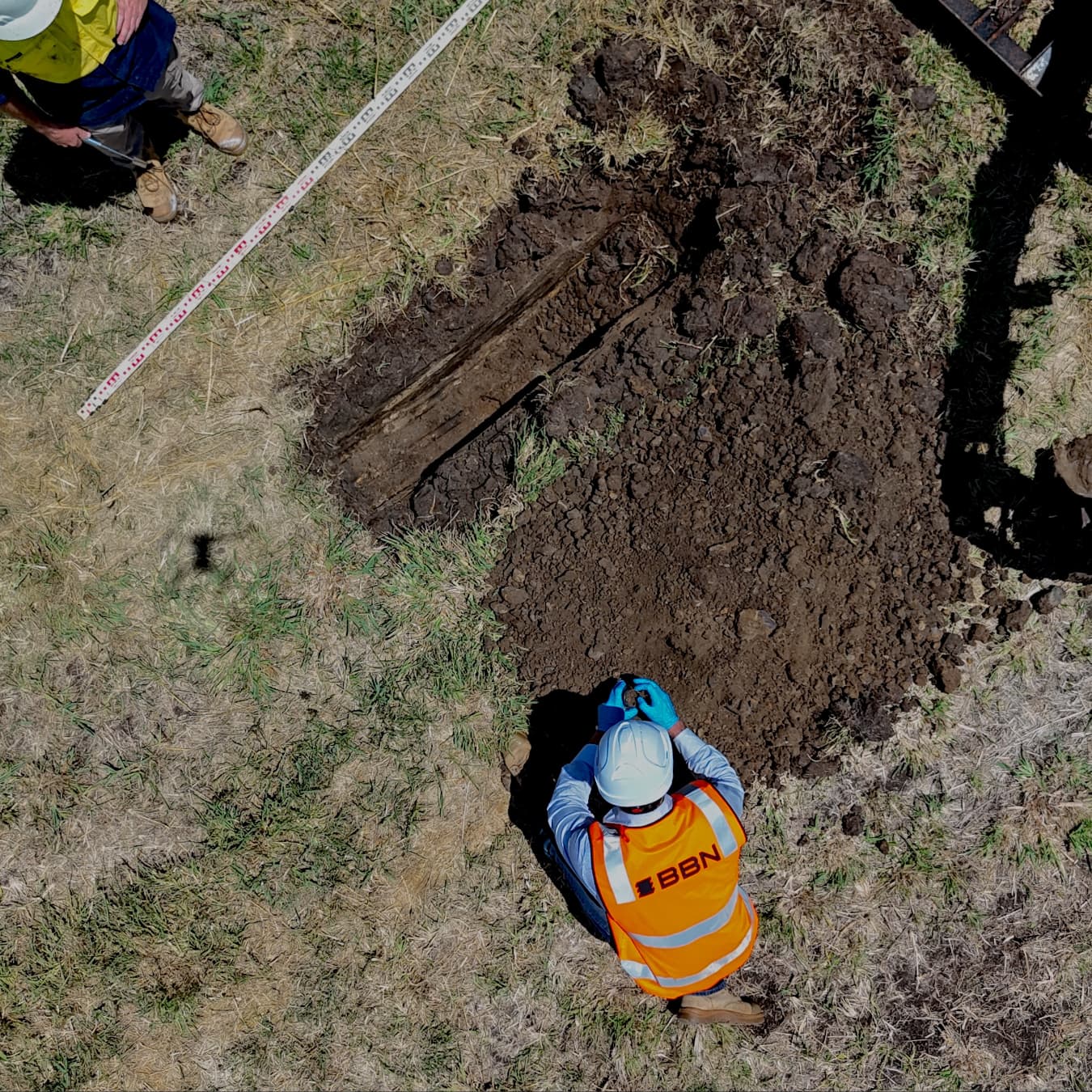
The ground needs the same attention. Bulk excavation, service relocations and slab removal regularly expose contaminated fill and asbestos in soil. Characterising that material early determines what can stay on site, what can be recycled and what must go to landfill.
Asbestos cement sheeting, vinyl floor tiles, textured coatings, render, lagging, fire doors and electrical backing boards are common in buildings constructed before 1990. Materials hidden inside wall cavities, ceiling spaces and service risers are often missed by earlier surveys.
Lead paint on structural steel and older joinery, synthetic mineral fibres, PCB containing capacitors and ozone depleting substances all need to be identified and managed before strip out.
Fill beneath slabs and around former structures can contain asbestos fragments, heavy metals and hydrocarbons. These are often found only once hardstand is lifted.
Concrete, brick and steel from demolition can be recycled when they are clean. Clear inspection and segregation advice keeps recyclable material out of landfill and protects project recycling targets.
Hazardous materials surveys that give contractors high confidence data to price against, allocate risk and support variations where scope has been underestimated.
Hazardous materials surveys ahead of demolition, soil characterisation of areas to be excavated and asbestos management plans for the works.
Asbestos air monitoring, removal supervision, lead monitoring, material inspections, unexpected finds advice and silica and dust monitoring for crews.
Staged clearance inspections as each area is completed, waste classification for material leaving site, and validation reporting that closes out the environmental record.
Demolition and civil contractors, head contractors, developers, project managers and asset owners preparing sites for redevelopment.
Demolition moves fast and the environmental consultant has to keep up. BBN mobilises within 48 hours of instruction, turns results around quickly through NATA-accredited partner laboratories and issues clearances progressively so crews can keep moving. Drone photogrammetry and 3D laser scanning can also capture the structure before demolition for records and planning.
FAQs
Cannot see your question? Call 0410 170 853 and talk to a consultant directly.
An asbestos register records materials in accessible areas of an occupied building. A demolition survey is destructive and covers the whole structure, including wall cavities, ceiling spaces and other concealed areas, because everything will be disturbed during demolition.
It gives contractors reliable quantities to price against. Where existing reports are limited, a detailed survey protects the contractor from carrying unidentified asbestos risk and supports variations where scope has been underestimated.
Air monitoring is required for friable asbestos removal and is commonly specified for non friable removal near occupied areas or sensitive receptors. It provides independent evidence that controls are effective.
Often, yes. Once asbestos has been removed and the area cleared, inspection and segregation advice identifies which concrete, brick and steel can be recycled safely.
Within 48 hours of instruction, with clearances issued progressively as each area is completed.
Targeted investigations mobilise within 48 hours of instruction, anywhere in Australia.



.png)