
Defence infrastructure projects operate in some of the most complex environmental settings in Australia. From ageing buildings and legacy contamination to PFAS, asbestos, lead paint, contaminated soil and strict site access requirements, Defence projects require environmental consultants who understand both technical risk and project delivery pressure.
For Defence project managers, prime consultants, facilities managers and civil contractors, early Defence environmental consulting can prevent delays, reduce cost exposure and support safe, compliant works across active Defence estates.
BBN Consulting is an Australian environmental intelligence consultancy specialising in the identification, assessment and management of hazards across contaminated land, buildings and infrastructure, and occupational settings — with national project coverage and an in-house identification lab.
Defence bases, depots, research facilities and training areas often have long operational histories. Many sites have supported activities such as vehicle maintenance, fuel storage, firefighting training, weapons storage, building refurbishment, demolition, industrial operations and infrastructure upgrades.
These activities can create complex environmental risks, including:
Unlike standard commercial projects, Defence works often occur within active operational environments. This means environmental management must be practical, controlled and aligned with access, security, safety and program requirements.
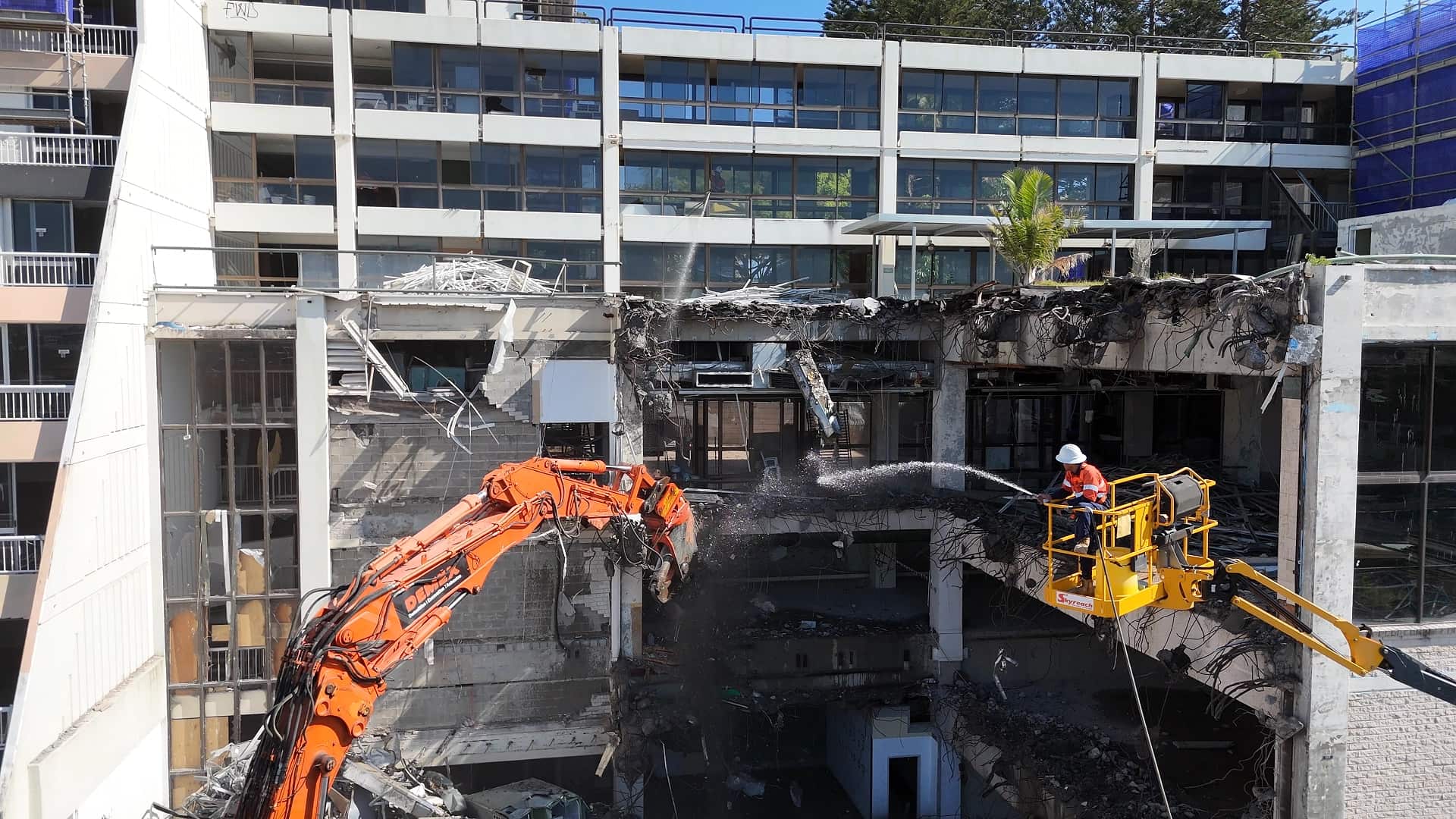
Many Defence buildings were constructed or modified during periods when asbestos-containing materials were widely used. Asbestos may be present in wall and ceiling linings, vinyl floor tiles and adhesives, pipe lagging, electrical backing boards, roof sheeting, fire doors, plant rooms, service ducts, buried demolition fill and contaminated soil around former buildings.
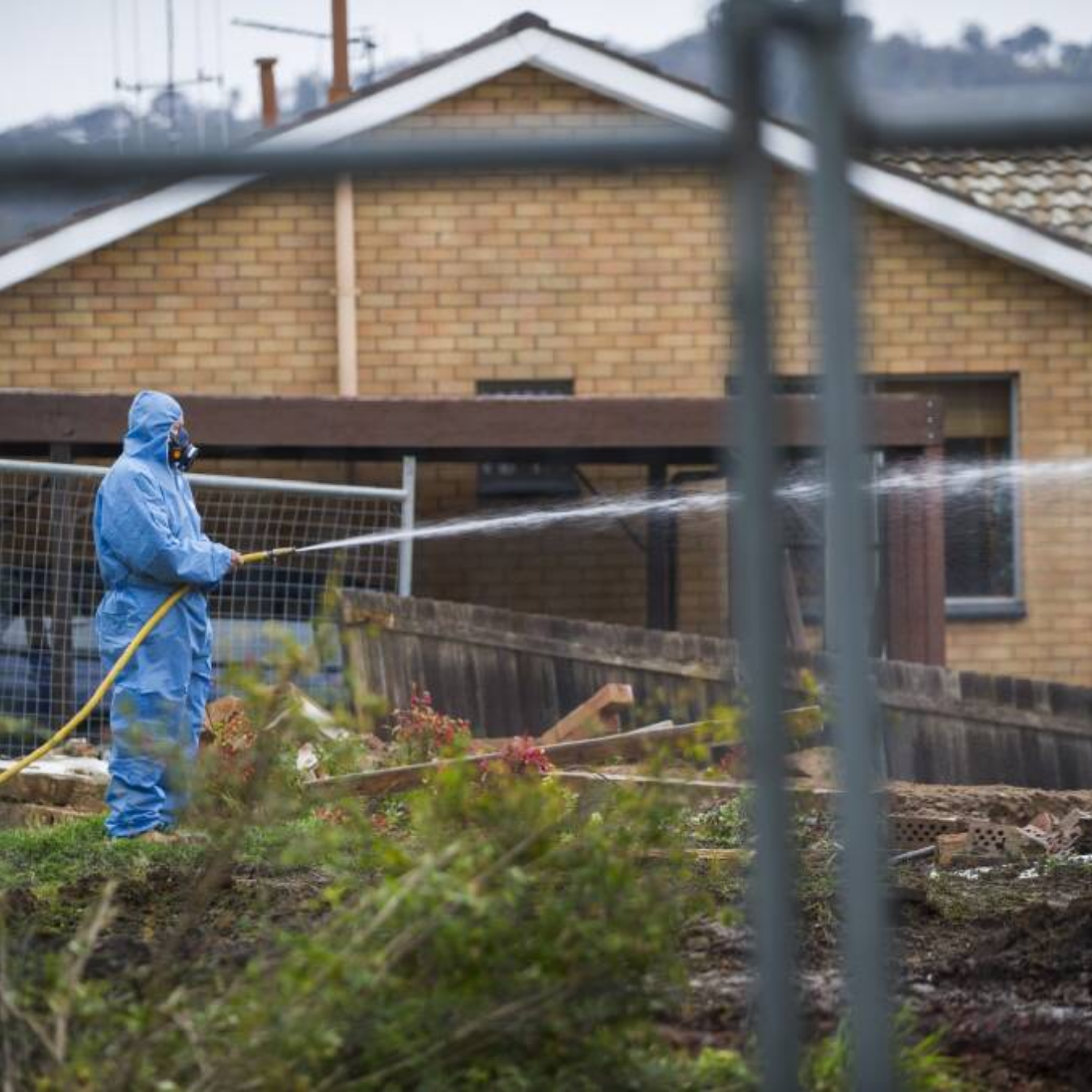
When asbestos is disturbed during refurbishment, demolition or excavation, airborne fibre risks must be controlled through proper survey, removal supervision, air monitoring and clearance inspection.
Older Defence buildings, depots and workshops may contain lead-based paint systems. Lead risks can arise during sanding, grinding, abrasive blasting, paint stripping, demolition, surface preparation and structural steel refurbishment. Projects involving lead paint disturbance may require personal exposure monitoring, boundary monitoring, surface dust sampling and clearance assessment before buildings or work areas are returned to service.
PFAS is one of the most significant environmental issues associated with Defence and aviation-related sites. PFAS may be associated with firefighting training areas, former foam storage areas, fire stations, washdown areas, drainage lines, sediment basins, surface water pathways and groundwater migration. PFAS investigations require careful planning because contamination can move through soil, groundwater, surface water and sediments. Early assessment helps project teams understand risk, avoid unexpected disposal issues and manage regulatory obligations.
The scale of the issue is significant: the Commonwealth has spent more than A$1.3 billion investigating and managing PFAS impacts across its estate — including treatment or removal of more than 200,000 tonnes of contaminated soil — and is pursuing Federal Court proceedings seeking over A$2 billion in damages tied to contamination across 28 Defence bases. With the PFAS NEMP now at version 3.1 and drinking-water guideline values lowered in 2025, sites previously assessed as compliant may warrant re-evaluation — and investigation data has become potential evidence, not just a compliance artefact.
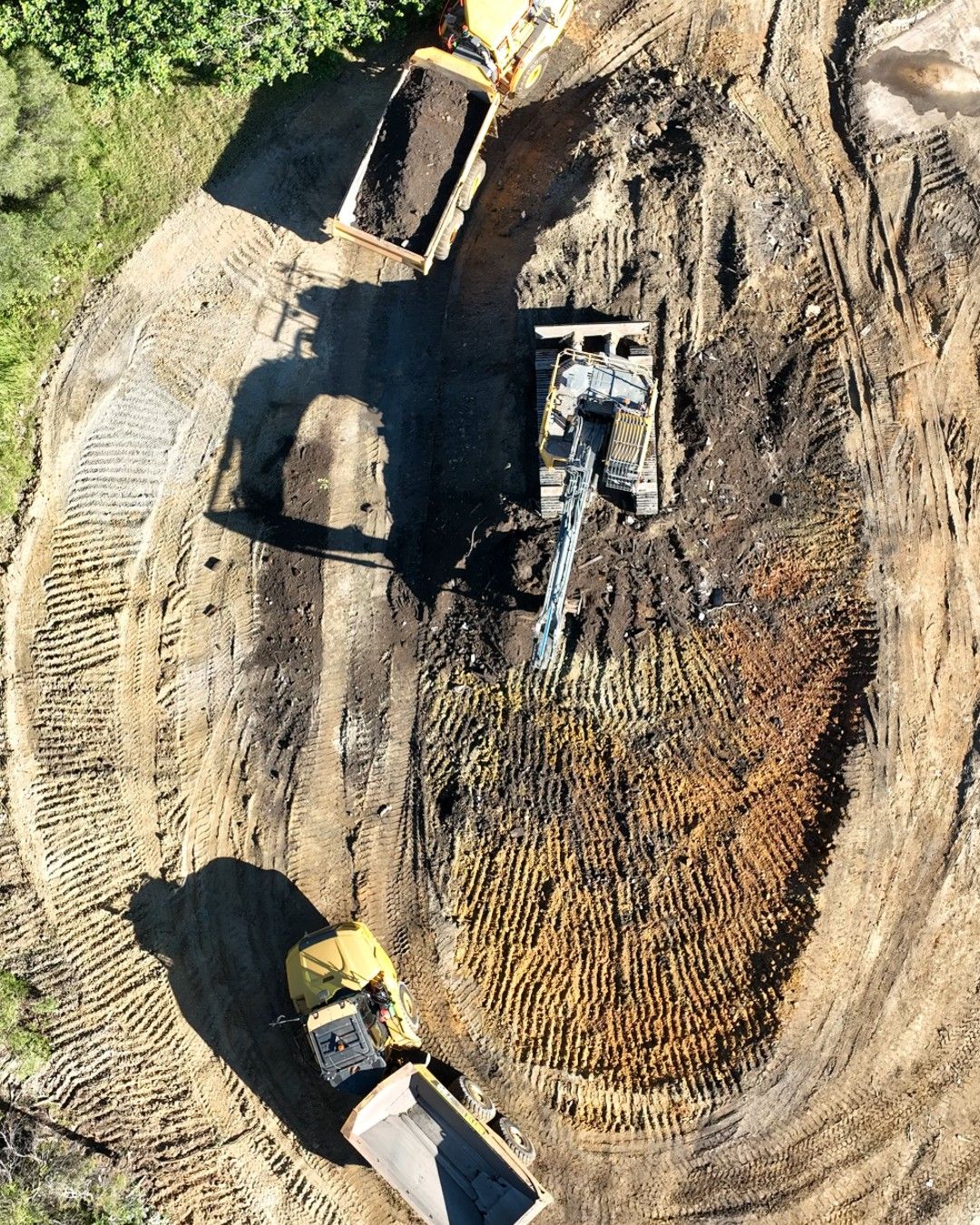
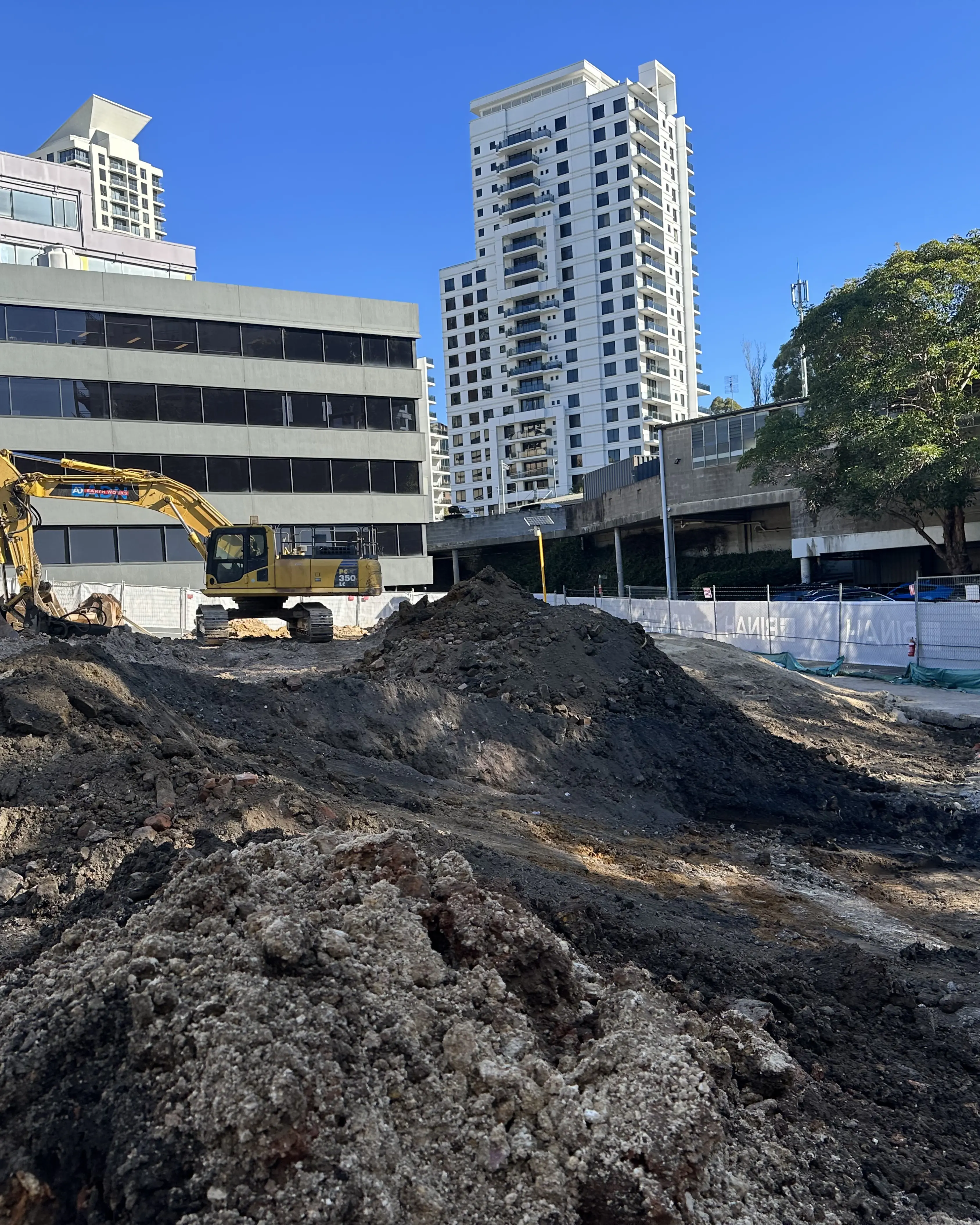
Excavation on Defence land can encounter contaminated soil from historical operations, imported fill, demolition waste, fuel storage, workshops or former training activities. Before soil leaves site, it may require classification to support compliant transport and disposal. Soil classification helps determine whether material can be reused, whether it requires offsite disposal, which licensed facility can receive it, whether treatment or segregation is required, and what documentation is needed for audit trails. Accurate classification can also prevent unnecessary over-classification, reducing disposal costs and avoiding project delays.
Environmental consulting may be required at multiple stages of a Defence project.
At the planning stage, environmental consultants help identify likely constraints before they become construction issues. This may include review of site history, identification of potentially contaminating activities, desktop contamination assessment, hazardous materials risk review, preliminary sampling strategies and advice for tender planning and scope development.
Before intrusive works begin, Defence buildings may require hazardous materials surveys to identify asbestos, lead paint, synthetic mineral fibres, PCB-containing materials and other hazardous substances. This allows project teams to plan removal works, price risk properly and avoid unexpected discoveries during construction.
During active works, environmental consultants may provide asbestos air monitoring, clearance inspections, lead exposure monitoring, boundary monitoring, soil sampling, waste classification, unexpected finds advice, environmental monitoring and contractor compliance support.
Before areas are handed back, environmental consultants may provide final clearance documentation, validation reports, monitoring records and technical evidence demonstrating that work areas are safe and suitable for use.
Environmental issues are often manageable when they are identified early. The greatest project impacts usually occur when contamination, asbestos or hazardous materials are discovered after works have commenced. Late discoveries can result in work stoppages, variation claims, program delays, emergency investigations, disposal cost increases, rework, safety incidents, regulatory scrutiny and loss of confidence between project stakeholders.
Early investigation gives project teams better certainty around scope, cost, risk and sequencing. For Defence projects, this is particularly important because works may need to be coordinated around operational requirements, security arrangements, occupied buildings, active training schedules or sensitive research activities.
Defence sites are not ordinary workplaces, and consultants who treat them as such create risk for their head contractor. BBN teams routinely operate under Defence access control — Defence Common Access Card and authorised contractor clearances, pre-cleared personnel lists, escorted access and specified visiting hours — as well as vehicle searches at base entry, dashboard identification requirements and no-camera, no-recording-device zones, with monitoring methodologies adapted accordingly.
Survey and monitoring activities are scheduled around training programs, restricted movement zones and continuously occupied facilities in liaison with Defence Estate management, and reporting, data-handling and documentation protocols are tailored to each base and contracting arrangement. For our teams, these protocols are business as usual, not an obstacle.
Hazardous materials surveys identify asbestos, lead paint and other hazardous materials before refurbishment, demolition or maintenance works. A good survey provides clear, practical information for designers, contractors and project managers, including material location, condition, risk rating, recommended management actions, removal or control requirements, photographic records and drawings. We can also help you establish and maintain asbestos registers and management plans for ongoing compliance.
Asbestos air monitoring and clearance inspections provide independent evidence that control measures are effective during asbestos removal or disturbance works. This may include background monitoring, control monitoring, boundary monitoring, leak monitoring, clearance monitoring and final clearance inspections. For Defence projects, air monitoring is particularly important where works occur near occupied buildings, operational areas or sensitive assets.
Lead paint removal can create airborne and surface contamination risks. Monitoring may include personal breathing zone monitoring, static boundary monitoring, surface dust sampling, visual inspections and clearance reporting. This helps confirm worker exposure is controlled and that work areas can be safely returned to service.
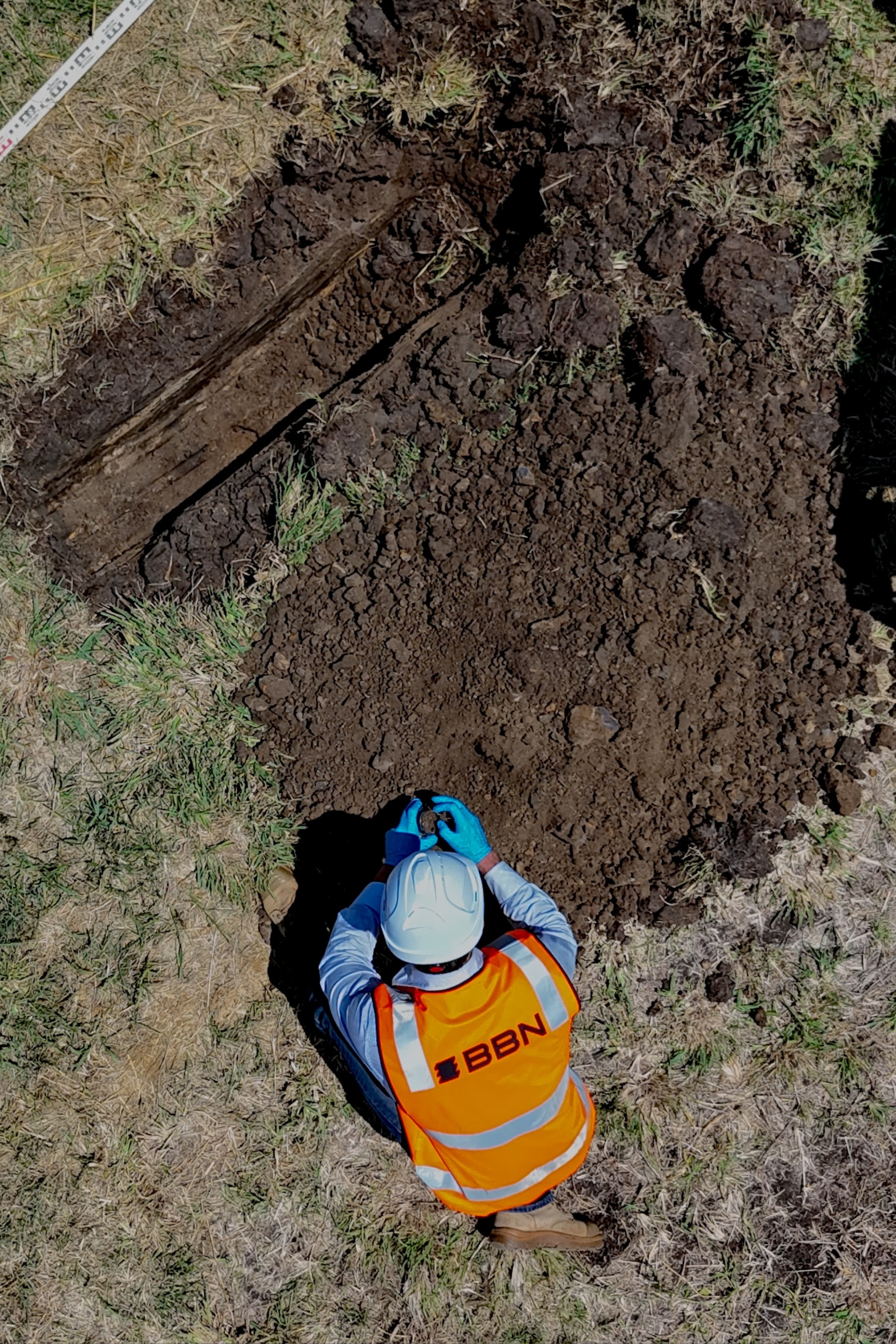
PFAS and contaminated land investigations help project teams understand whether soil, groundwater, surface water or sediments are impacted by historical activities. Investigations may include Preliminary Site Investigations, Detailed Site Investigations, targeted PFAS sampling, soil and groundwater assessment, Conceptual Site Models, human health and environmental risk assessment, remediation planning and validation reporting.
Soil characterisation and waste classification supports compliant excavation, reuse, transport and disposal. For Defence projects this is critical because soil leaving Commonwealth land must be classified, documented and managed correctly. A robust waste classification process can reduce cost, prevent disposal delays and create a defensible audit trail.
Environmental monitoring may be required during construction, remediation or demolition to confirm that controls are effective. Monitoring programs may include air monitoring, dust monitoring, surface water monitoring, groundwater monitoring, soil validation, noise and vibration monitoring, boundary inspections and compliance reporting.
Choosing the right environmental consultant for Defence projects means looking beyond a standard report. The right consultant should understand active Defence site constraints, security and access requirements, contractor program pressures, Commonwealth land considerations, asbestos and hazardous materials risks, contaminated soil and waste classification requirements, clear communication with multiple stakeholders, and practical field support during live works. The best environmental consultants help projects keep moving while maintaining compliance, safety and technical defensibility.
BBN Consulting supports Defence-related projects for clients and contractors involved in planning, design, refurbishment, demolition, maintenance, remediation and civil works. We work with project teams that need fast, accurate and practical environmental advice across complex sites, including occupational hygiene and exposure monitoring. Our Defence-relevant services include hazardous materials surveys, asbestos consulting, friable asbestos air monitoring, clearance inspections, lead paint monitoring, occupational hygiene, PFAS in soil assessment, contaminated land investigations, soil characterisation, waste classification, environmental monitoring programs, and remediation and validation support.
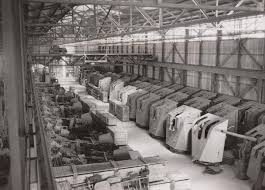
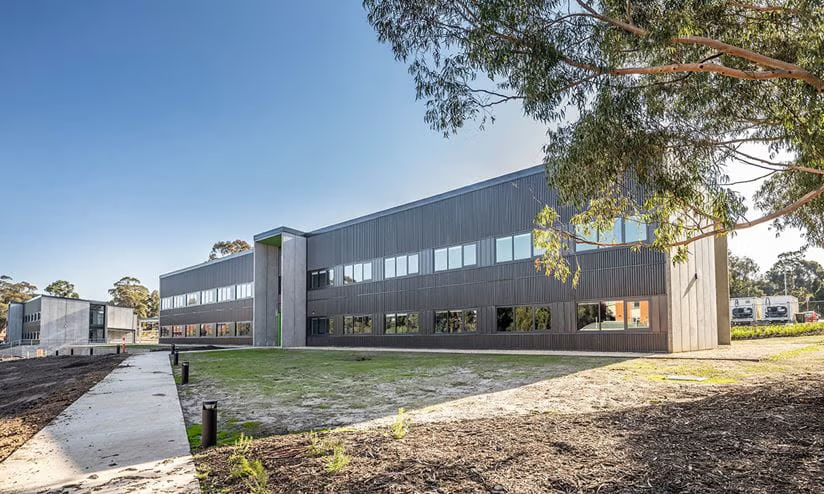
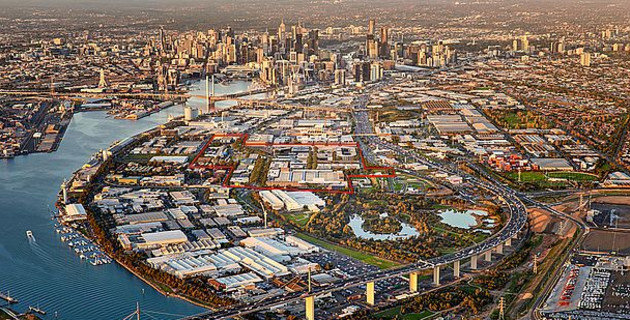
BBN Consulting has delivered environmental and occupational hygiene services across active Defence environments nationally, including research facilities, barracks, depots and training areas with strict operational requirements. Recent experience includes:
Every airborne fibre and lead monitoring program we have delivered on Defence sites has returned results below the applicable workplace exposure standard. Explore our Defence and infrastructure project experience for more examples.
BBN Consulting provides specialist environmental consulting for complex Defence, infrastructure, property and industrial sites. We combine field capability, technical reporting and practical project advice to help contractors, consultants and asset managers identify risks early and manage them properly. Targeted investigations mobilise within 48 hours of instruction, and compliance samples are analysed through NATA-accredited partner laboratories with chain-of-custody managed end-to-end. Our focus is simple: protect people, protect the environment, protect project outcomes. For Defence infrastructure projects, that means clear advice, fast turnaround, defensible documentation and practical support that keeps works moving.
Yes. Before intrusive works, Defence buildings should have a hazardous materials survey to identify asbestos, lead paint, synthetic mineral fibres and other hazardous substances. Doing this early lets teams plan removal, price risk correctly and avoid unexpected discoveries mid-construction.
Asbestos in buildings and soil, lead-based paint, PFAS from firefighting activities, hydrocarbon impacts from fuels and oils, heavy metals, buried demolition waste and contaminated soil requiring classification before disposal.
PFAS is linked to firefighting training areas, former foam storage, fire stations and washdown areas. It can migrate through soil, groundwater, surface water and sediments, so early assessment is important to understand risk and manage disposal and regulatory obligations.
Yes. BBN delivers environmental and occupational hygiene services within active operational environments, coordinating around access, security, safety and program requirements so works can proceed without unnecessary disruption.
Generally yes. Soil leaving Commonwealth land must be classified, documented and managed correctly. Accurate classification supports compliant transport and disposal, prevents costly over-classification and creates a defensible audit trail.
BBN provides national coverage with fast mobilisation — targeted investigations commence within 48 hours of instruction — and rapid turnaround on results, supporting contractors and project teams who need practical environmental advice that keeps works moving.
If you are planning, tendering or delivering works on a Defence site, early environmental input can reduce risk and improve project certainty.
BBN Consulting can support your team with asbestos, lead paint, PFAS, contaminated land, occupational hygiene, waste classification and environmental monitoring services across Australia — talk to our team or call 0410 170 853.
Protecting What Matters Most. People. Places. Projects.



.png)
.png)
.png)

.png)
.webp)