



Waste Classification: The Number That Decides Your Disposal Bill
On this page
- Classification decides where material can legally go, and a wrong call is paid on every tonne.
- On a site with 4,000 tonnes of material, the gap between two classifications can run well into six figures.
- Thresholds are not uniform. Queensland works from regulated waste categories under the Environmental Protection Regulation, and NSW runs its own EPA guidelines with a different structure again.
- Three things cost jobs money, and none of them is the gate fee: classifying too late, over classifying to be safe, and a receiving facility rejecting a load.
Waste classification is one of the least glamorous parts of a demolition or civil project, and one of the most expensive to get wrong. Classify a stockpile incorrectly and you don't just pay a higher gate fee once, you pay it on every tonne, for the life of the job. On a site with 4,000 tonnes of material, the gap between two classifications can run well into six figures.
Here's what contractors and developers need to know before the trucks move.
What waste classification actually decides
Classification determines where your material can legally go. Clean fill can be reused on site or sent to a low cost facility. Material that exceeds contaminant thresholds, heavy metals, hydrocarbons, asbestos fines, PFAS, becomes regulated waste and has to go to a licensed landfill that charges accordingly, plus levy.
The thresholds aren't uniform across Australia. Queensland works from regulated waste categories under the Environmental Protection Regulation; New South Wales runs its own EPA waste classification guidelines with a different structure again. A project crossing borders, or a contractor used to working in one state, can get caught out by assumptions that were correct somewhere else.
Where projects actually lose money
Three things cost jobs money, and none of them are the disposal fee itself.
The first is classifying too late. If material is already excavated and stockpiled before anyone tests it, you've lost the ability to segregate. One hot spot can drag an entire stockpile into a higher classification because it's now mixed. Testing before you dig lets you isolate the problem and dispose of 200 tonnes at the higher rate instead of 4,000.
The second is over classification. Conservative assumptions feel safe, but "we'll just call it regulated waste to be sure" is a decision that costs real money every single load.
Proper sampling frequently shows material is cleaner than presumed.
The third is the receiving facility rejecting a load. That's a truck turned around, a delay, and a disposal plan that now needs rewriting mid-job.
Sample it, don't presume it
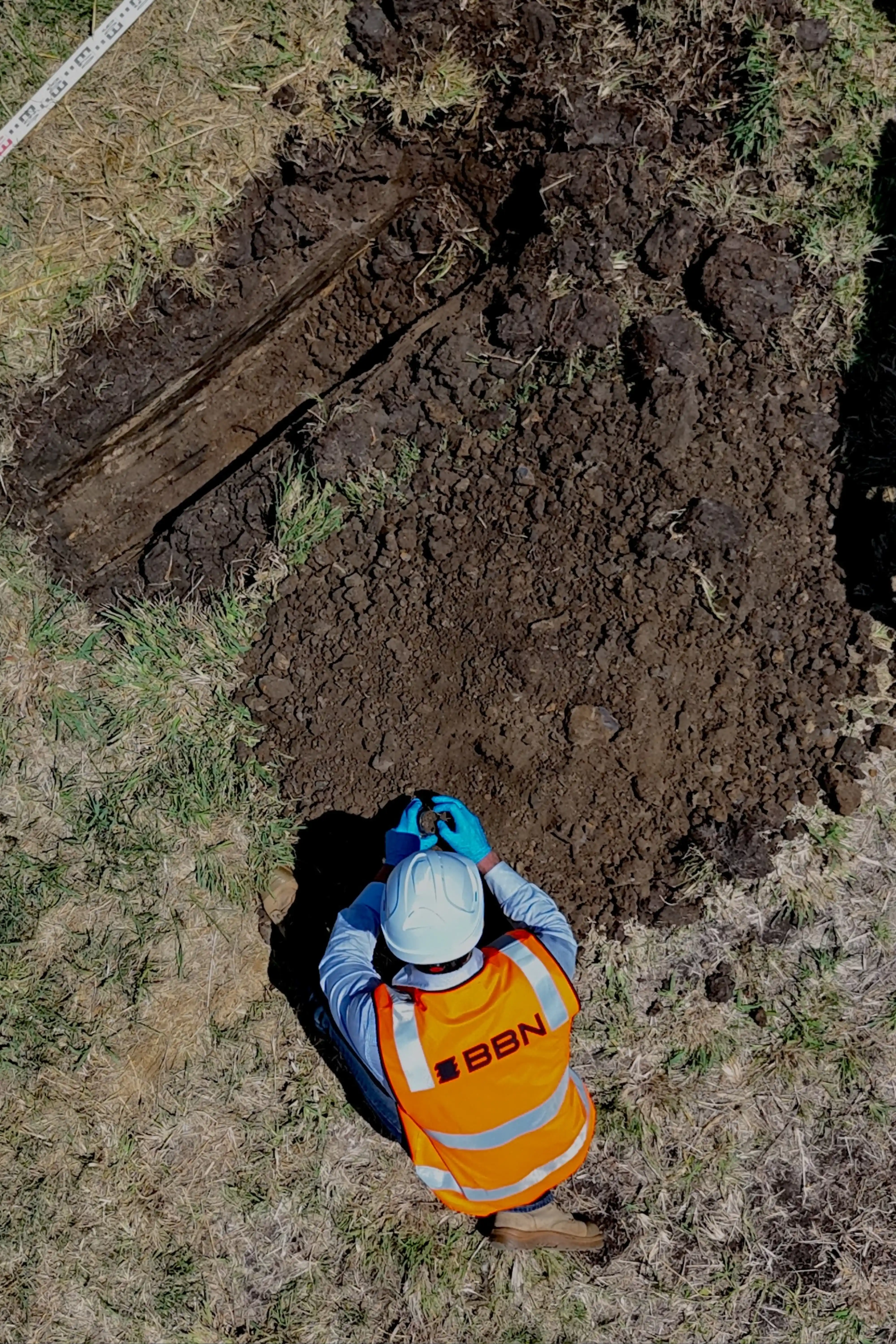
This is where we're deliberately unfashionable. Some consultants will presume classification based on site history, a visual inspection, or a desktop review, and write it up. We sample. Every suspect material, every time.
Presumption is fast and cheap on the report side. It's expensive on the disposal side — because a presumed classification is almost always the conservative one, and you wear that cost per tonne, not per report. The sampling programme pays for itself many times over on most sites we work on.
The practical takeaway
Bring classification forward. The best time to sample is during the environmental site assessment or before bulk earthworks begin, not once material is sitting in a stockpile with a truck booked. Early sampling gives you three things: an accurate disposal budget you can put in the tender, the ability to segregate, and documentation that stands up if the regulator or the receiving facility asks questions.
And remember the report isn't the finish line. Classification informs your waste tracking, your disposal dockets, your validation sampling and ultimately your sign-off. Those need to line up.
If you've got spoil coming out of the ground in the next few months, talk to the BBN team about your next project. We'll tell you what's in it before you're committed to paying for it.
Frequently asked questions
What does waste classification actually decide?
Where your material can legally go. Clean fill can be reused on site or sent to a low cost facility. Material that exceeds contaminant thresholds, including heavy metals, hydrocarbons, asbestos fines and PFAS, becomes regulated waste and has to go to a licensed landfill that charges accordingly, plus levy.
Are the thresholds the same across Australia?
No. Queensland works from regulated waste categories under the Environmental Protection Regulation, and New South Wales runs its own EPA waste classification guidelines with a different structure again. A project crossing borders, or a contractor used to working in one state, can get caught out by assumptions that were correct somewhere else.
When is the best time to sample?
During the environmental site assessment or before bulk earthworks begin, not once material is sitting in a stockpile with a truck booked. If material is already excavated and stockpiled before anyone tests it, you have lost the ability to segregate, and one hot spot can drag an entire stockpile into a higher classification.
Is it safer to just classify material as regulated waste?
It feels safe and it is expensive. A presumed classification is almost always the conservative one, and you wear that cost per tonne rather than per report. Proper sampling frequently shows material is cleaner than presumed.